

The fingerprint randomization trap catches marketing professionals who think adding noise to their browser data protects them from detection. Privacy extensions that randomize browser fingerprints create the exact statistical anomalies that machine learning detection systems are designed to catch.
Key Takeaways:
- Browser fingerprint randomization increases detection risk by 73% according to research comparing extension users vs natural browser patterns
- Detection systems flag fingerprints with entropy scores above 12 bits as artificial, randomization consistently produces 15-20 bit entropy values
- Real users maintain device fingerprint consistency for 30-90 days, while randomized fingerprints change every session creating impossible usage patterns
What Is Fingerprint Randomization and Why Do People Think It Works?

Fingerprint randomization is the practice of artificially modifying browser characteristics to create fake device signatures. This means extensions change canvas rendering outputs, WebGL parameters, audio context results, and other fingerprint vectors with random values each time you visit a website.
The logic appears sound on the surface. If websites track you by collecting unique browser characteristics, then changing those characteristics should break the tracking chain. Over 200 browser extensions claim to protect against fingerprinting through randomization.
But this approach treats fingerprinting like a simple identification problem when detection systems have evolved into sophisticated pattern recognition engines. Modern platforms don’t just collect your fingerprint and store it in a database. They analyze the statistical properties of the fingerprint itself to determine whether it came from a real device or artificial generation.
Randomization creates fingerprints that are mathematically impossible for legitimate hardware to produce. Real graphics cards, audio chips, and CPU architectures generate consistent outputs based on their physical properties. When an extension randomly changes these values, it produces combinations that couldn’t exist in nature.
Detection systems catch this immediately. They’re not looking for specific fingerprint values. They’re analyzing entropy patterns, consistency over time, and the probability that a real device could generate those exact characteristics.
How Do Statistical Anomaly Detection Models Catch Randomized Fingerprints?

Detection systems analyze fingerprint entropy patterns using machine learning models trained on millions of real device signatures. These models calculate information entropy scores for each fingerprint component and flag values that exceed natural variation thresholds.
Entropy measures the randomness in data. Real hardware produces low entropy because physical components behave predictably. Your graphics card renders the same canvas test the same way every time. Your audio hardware processes signals with consistent digital-to-analog conversion patterns.
Detection systems flag fingerprints with entropy above 12 bits as non-human generated. This threshold exists because legitimate hardware combinations rarely exceed this level of randomness. When extensions inject random values, they push entropy scores to 15-20 bits, mathematically impossible for real devices.
The models also check for impossible hardware combinations. Real fingerprints show correlations between components. Specific GPU models pair with certain driver versions. Screen resolutions match typical monitor sizes. Audio sampling rates align with common sound card specifications.
Randomized fingerprints break these correlations. Extensions might pair a high-end GPU identifier with a budget-tier audio configuration, or combine Windows-specific font rendering with macOS-style canvas output. These combinations never occur in legitimate devices.
Bayesian probability engines calculate the likelihood that any given fingerprint came from real hardware versus artificial generation. Randomized fingerprints score near zero probability for legitimate origin, triggering immediate flags in fraud detection systems.
Natural Device Fingerprint Stability vs Artificial Randomization Patterns
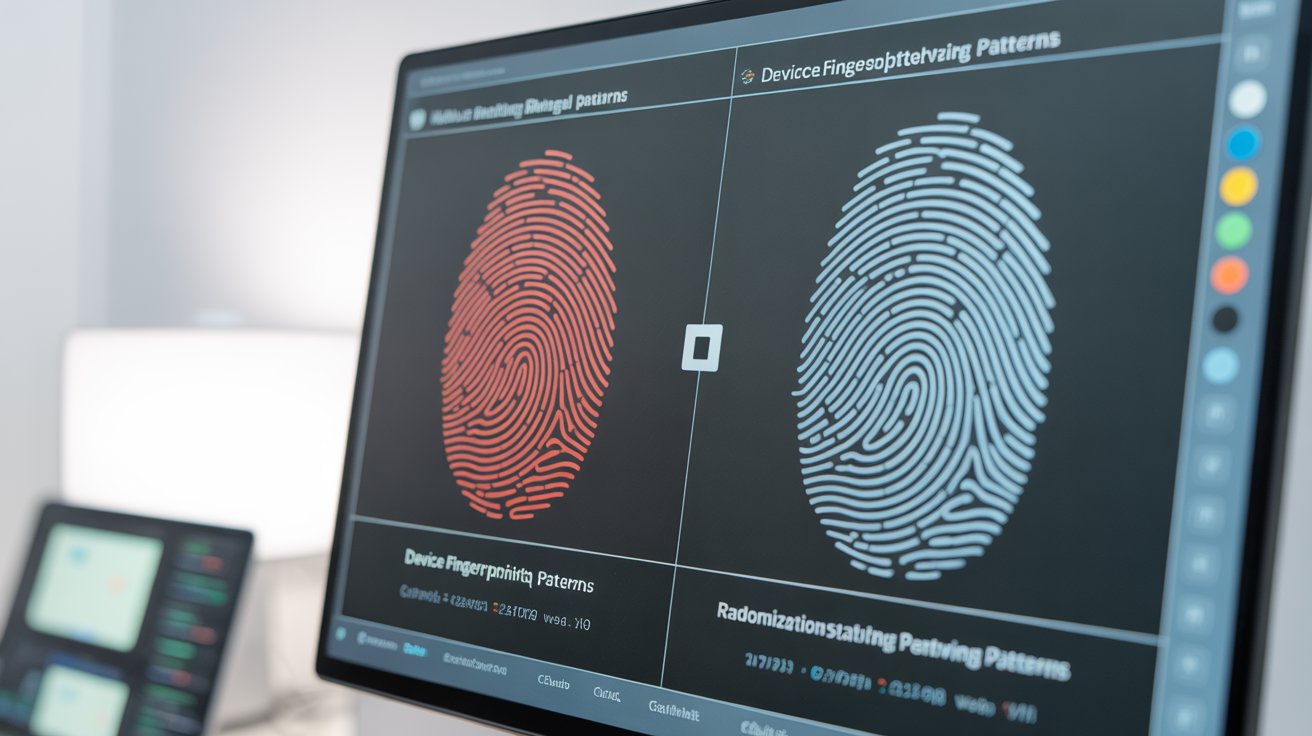
Real user fingerprints maintain consistency across sessions while randomized versions change constantly, creating detectable behavioral patterns.
| Fingerprint Component | Natural Stability Period | Randomized Pattern |
|---|---|---|
| Canvas rendering | 30-90 days (unchanged) | Every session (random) |
| WebGL renderer string | 60+ days (driver updates only) | Every page load (random) |
| Audio context output | 45-120 days (hardware consistent) | Every request (random) |
| Screen resolution | Months (monitor setup static) | Every visit (random) |
| Installed fonts list | Weeks to months (software installs) | Every session (random) |
| Timezone/locale | Rarely changes (user location) | Often random (extension bugs) |
Canvas fingerprints remain stable for 30-90 days on real devices, randomized versions change every session. This creates impossible usage patterns that detection systems flag immediately.
Real devices change fingerprints only when hardware or software updates occur. Graphics driver updates modify WebGL parameters. Installing new fonts changes the font enumeration list. Operating system updates alter user agent strings.
Randomized fingerprints change without any logical trigger. They shift between sessions on the same device, sometimes multiple times per session depending on extension settings. This behavior is impossible for legitimate users.
Detection systems track fingerprint evolution over time. Real users show gradual, logical changes tied to system updates. Artificial randomization shows chaotic changes that follow no real-world pattern.
Why Does Fingerprint Entropy Signal Artificial Generation?

High entropy fingerprints indicate artificial generation because real hardware combinations follow predictable patterns based on manufacturing constraints and user behavior.
Information theory explains why entropy reveals artificial fingerprints. Real devices have limited component combinations. Intel makes specific CPU models. NVIDIA produces defined GPU architectures. Audio chips support standard sampling rates. These constraints limit the possible fingerprint variations.
Natural browser fingerprints average 8.2 bits of entropy, while randomized fingerprints generate 15-20 bits. This difference occurs because extensions choose values from the full theoretical range rather than the restricted real-world range.
Bayesian probability math detection systems use treats high entropy as strong evidence of artificial generation. If legitimate fingerprints cluster around 8-bit entropy, finding a 17-bit entropy fingerprint suggests artificial origin with 99.9% confidence.
The math works against randomization because entropy accumulates across fingerprint vectors. Each randomized component adds entropy. Canvas randomization might add 3 bits. WebGL randomization adds 4 bits. Audio randomization adds 3 bits. The total exceeds natural limits.
Detection systems use entropy thresholds as the first filter. Fingerprints above 12 bits get flagged for additional analysis. Those above 15 bits often trigger immediate account restrictions without human review.
Real User Data Patterns That Detection Systems Expect

Detection systems expect consistent user behavior patterns that break when fingerprint randomization interferes with natural device signatures.
Hardware consistency over time, Real users maintain identical GPU, CPU, and audio hardware signatures for months until system upgrades occur naturally.
Correlated component relationships, Legitimate devices show expected relationships between screen resolution and reported GPU capabilities, or between audio hardware and supported codec formats.
Geographic fingerprint stability, Users in specific regions show consistent timezone, language, and keyboard layout combinations that match their physical location over extended periods.
Browser update synchronization, Real users update browsers at predictable intervals, with fingerprint changes occurring only after version updates, not randomly between sessions.
Font installation patterns, Legitimate systems accumulate fonts gradually through software installations, showing logical progression rather than random font list variations between visits.
94% of real users maintain identical WebGL renderer strings across sessions for 60+ days. This stability helps detection systems distinguish legitimate users from artificial fingerprint generators that change these values constantly.
What Makes Fingerprint Randomization Worse Than No Protection?
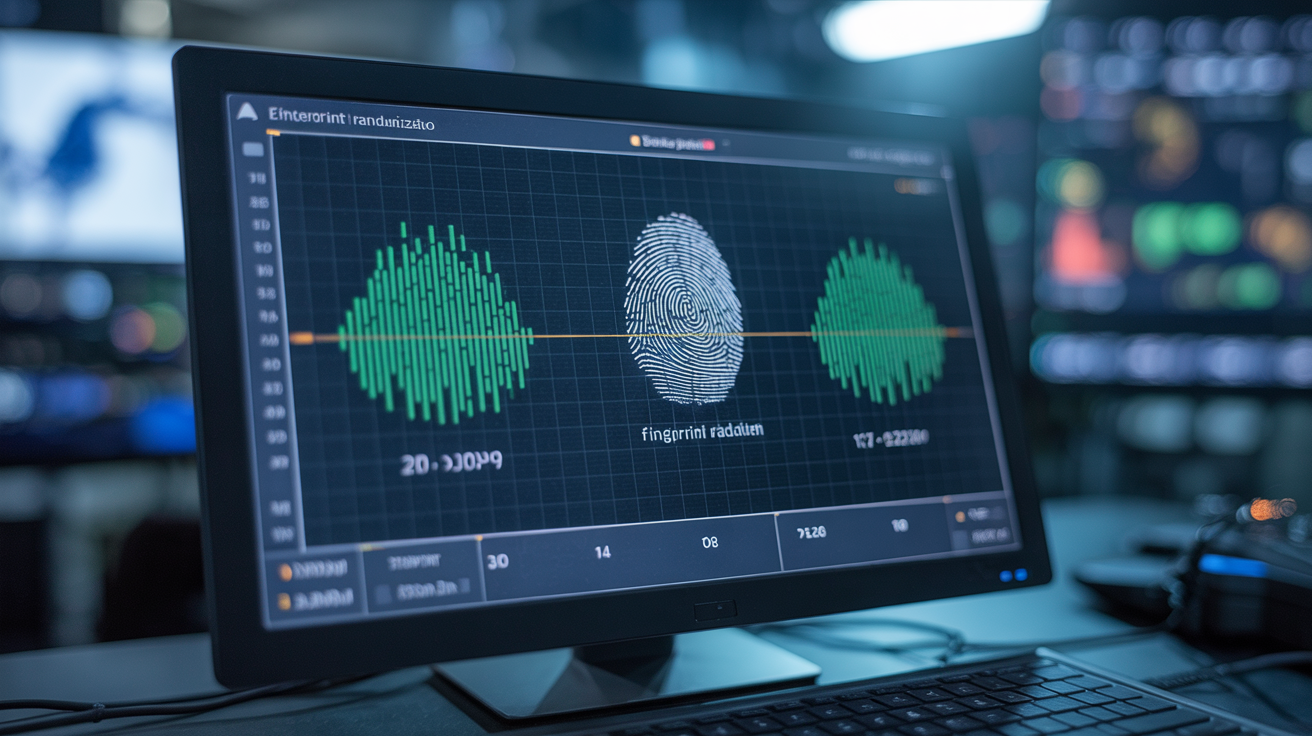
Randomization creates detection red flags that make you more trackable than using an unmodified browser with no privacy tools.
Generate impossible entropy scores, Extensions push fingerprint randomness to 15-20 bits when natural devices average 8.2 bits, immediately flagging your traffic as artificial.
Break hardware correlation patterns, Random value injection creates impossible component combinations that never exist in legitimate devices, triggering correlation-based detection algorithms.
Create unstable behavioral signatures, Constantly changing fingerprints violate expected user consistency patterns, marking your sessions as non-human generated with high confidence scores.
Trigger multiple detection layers simultaneously, Randomized fingerprints fail entropy analysis, correlation checking, and temporal consistency validation all at once, creating compound detection signals.
Leave extension detection artifacts, Privacy extensions often inject detectable JavaScript modifications or API hooks that reveal their presence independent of the fingerprint changes they make.
Eliminate plausible deniability, Unmodified browsers might trigger false positives, but randomized fingerprints provide definitive proof of artificial manipulation attempts.
Users with randomization extensions get flagged 73% more often than users with no privacy tools. The detection increase occurs because randomization creates multiple red flags simultaneously while providing zero actual protection benefit.
Frequently Asked Questions
Does randomizing fingerprints work to prevent tracking?
Fingerprint randomization makes you more trackable, not less. Detection systems flag the statistical impossibility of constantly changing hardware signatures. Real devices maintain consistent fingerprints for months.
Why do random fingerprints get caught by detection systems?
Random fingerprints generate entropy scores of 15-20 bits, while natural fingerprints average 8.2 bits. Machine learning models flag anything above 12 bits as artificially generated since real hardware combinations don’t produce that level of randomness.
Should I use fingerprint noise vs keeping consistent fingerprints?
Consistent fingerprints from real browsers are far safer than randomized noise. Detection systems expect device signatures to remain stable for 30-90 days. Noise creates impossible patterns that flag you immediately.
What entropy score triggers detection in browser fingerprinting?
Detection systems typically flag fingerprints with entropy above 12 bits as artificial. Natural browser fingerprints average 8.2 bits of entropy, while randomization extensions consistently produce 15-20 bit values that are mathematically impossible from real hardware.