

The browser on your desktop is legal property that you own, but what you do with it determines whether you’re in compliance with federal law and platform policies. Every marketer using antidetect browser legal tools faces this boundary question.
Key Takeaways:
• Browser modification tools are legally owned software in most jurisdictions, no law prevents installing them
• Platform terms of service violations create account bans, not criminal liability under standard usage
• CFAA prosecution requires intent to damage systems or access protected data without authorization
Is Using an Antidetect Browser Illegal in the United States?

Antidetect browsers are legal software tools under federal law. This means owning, installing, and operating browser management platforms violates no criminal statutes at the software level.
The Computer Fraud and Abuse Act governs digital access crimes, but browser profile isolation doesn’t trigger CFAA violations. You’re using software on systems you own to manage accounts you control. No unauthorized access occurs when you install antidetect browser tools on your computer.
Federal prosecutors focus on intent and damage thresholds. The CFAA requires $5,000+ damage threshold for felony charges. Running multiple browser profiles generates no system damage. You’re not breaking into protected systems or destroying data.
Compare this to other browser modification tools. Ad blockers change how websites load. VPN extensions route traffic through third-party servers. Password managers inject credentials into forms. All operate legally because software ownership grants modification rights.
The distinction matters for marketers examining antidetect browser security risks. Criminal liability stems from activities conducted through browser tools, not the tools themselves. Wire fraud, identity theft, or accessing systems without permission create legal exposure. Browser software installation doesn’t.
How Do Platform Terms of Service Apply to Browser Tools?
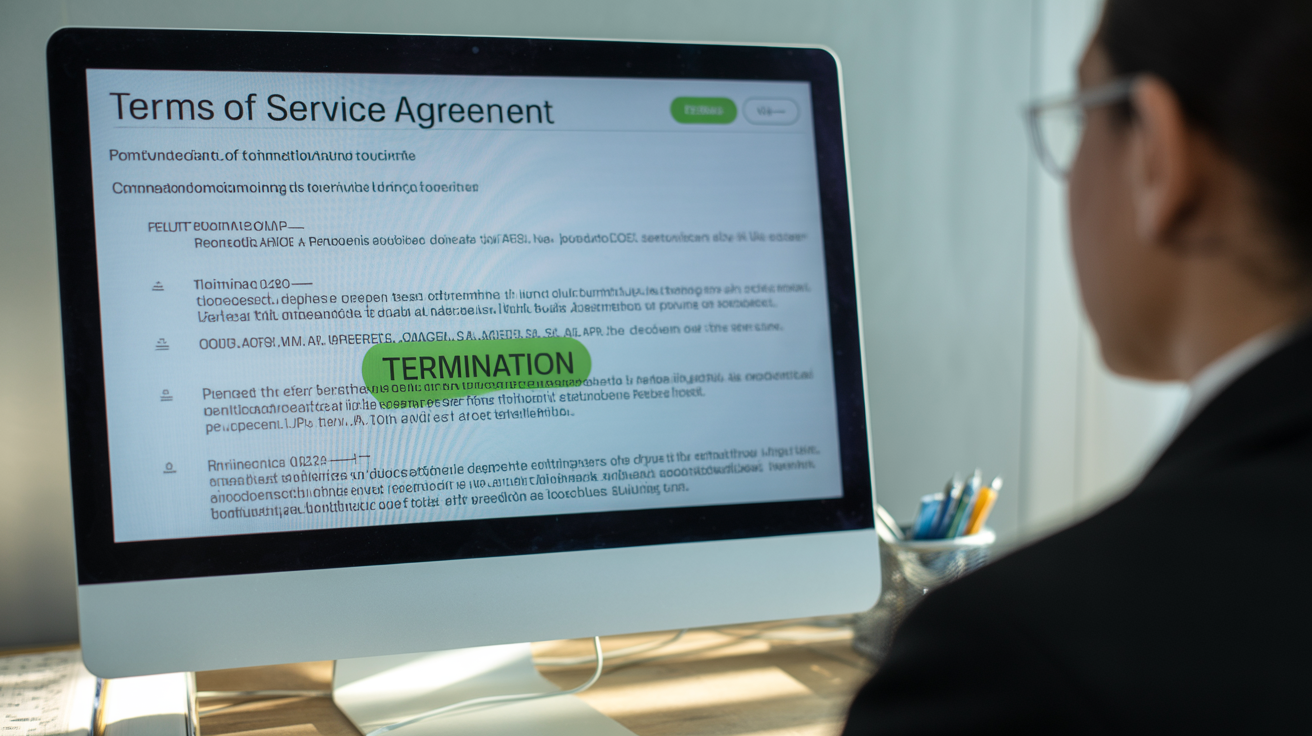
Platform terms of service violations are civil contract disputes, not criminal violations. When you violate terms, platforms terminate accounts through contractual enforcement mechanisms.
| Platform Action | Legal Classification | User Consequence |
|---|---|---|
| Account termination | Contract breach remedy | Loss of account access |
| IP address blocking | Technical enforcement | Service unavailability |
| Legal action threat | Contract dispute escalation | Civil liability risk |
Contract law governs platform relationships. You agree to terms when creating accounts. Platforms can terminate service for violations without proving criminal activity. They don’t need court approval to ban accounts.
Session encryption methods in antidetect browsers don’t change this dynamic. Platforms detect policy violations through behavior patterns, not software analysis. They review account activity, transaction patterns, and content violations.
Enforcement mechanisms vary by platform scale. Facebook uses automated systems scanning millions of accounts daily. Smaller platforms rely on manual review processes. Both terminate accounts for terms violations, regardless of browser tools used.
What constitutes breach depends on specific platform policies. Multi-account operation violates some terms but not others. Amazon prohibits multiple seller accounts per person. LinkedIn allows separate personal and business profiles. Read platform-specific policies before implementing account strategies.
What CFAA Violations Apply to Multi-Account Management?

CFAA prosecution requires unauthorized access intent beyond normal browser usage. Federal prosecutors must prove four elements:
- Unauthorized access to protected systems, Using your own browser on public websites doesn’t qualify as unauthorized access
- Intent to defraud or cause damage, Managing legitimate business accounts lacks fraudulent intent
- Damage exceeding statutory thresholds, CFAA Section 1030(c)(4)(A) requires knowingly causing damage exceeding $5,000
- Interstate commerce involvement, Most platforms operate across state lines, meeting this requirement easily
Browser fingerprint spoofing alone doesn’t establish unauthorized access. You’re visiting websites that allow public traffic. Changing your browser’s reported capabilities doesn’t exceed authorization limits.
Data privacy in browser tools becomes relevant when accessing restricted account areas. If you use stolen credentials or bypass authentication systems, unauthorized access occurs. Browser tools become evidence of method, not the crime itself.
Damage calculations focus on system harm, not terms of service violations. Crashed servers, deleted databases, or disrupted operations count toward damage thresholds. Account terminations don’t represent system damage under CFAA definitions.
Fraud charges require proof of deliberate misrepresentation for financial gain. Running multiple e-commerce stores isn’t fraud if you fulfill orders and pay taxes. Using false identities or stolen payment methods creates fraud exposure regardless of browser tools.
Does GDPR Compliance Affect Browser Tool Usage?

GDPR requirements focus on data controller responsibilities, not browser software tools. The regulation governs how you process EU resident data, not which browser you use to access it.
Data controllers determine processing purposes and methods. If you collect customer emails through multiple browser profiles, you’re the data controller. The browser tool is processing infrastructure, not a compliance requirement.
Legitimate interest provides lawful basis for most browser tool usage. You have legitimate business interests in managing multiple accounts, conducting market research, or protecting competitive information. Document your legitimate interests and balance them against individual privacy rights.
Data privacy in browser tools matters when storing personal information locally. Session encryption methods protect data during browser sessions. But GDPR requires data protection throughout the processing lifecycle.
Cross-border data transfers trigger additional requirements when using cloud-based browser profiles. If your browser management platform stores profile data on EU servers, adequacy decisions or Standard Contractual Clauses apply. Check your platform’s data processing agreements.
GDPR applies to data controllers processing EU resident data, not browser software tools themselves. Your compliance obligations remain the same whether you use antidetect browsers, regular Chrome, or mobile apps to process personal data.
What Use Cases Cross Legal Boundaries?

Legitimate use cases differ from prohibited activities based on intent and method, not browser tools used.
| Activity Type | Legal Status | Risk Level |
|---|---|---|
| Market research with real identity | Permitted | Low |
| Competitive price monitoring | Permitted | Low |
| Multi-store e-commerce management | Platform-dependent | Medium |
| Social media account management browser operations | Platform-dependent | Medium |
| False identity creation | Prohibited | High |
| Payment fraud schemes | Prohibited | High |
Market research vs fraud boundaries depend on representation accuracy. Using browser profile isolation to gather pricing data without misrepresenting your identity stays within legal limits. Creating fake personas to manipulate reviews crosses into fraud territory.
Competitive intelligence vs unauthorized access hinges on information accessibility. Scraping public product listings remains legal in most jurisdictions. Bypassing login screens to access competitor pricing databases violates CFAA provisions.
Legitimate business operations vs deceptive practices turn on truthfulness. Running multiple Amazon stores with accurate business information complies with commercial law. Using false business registrations or stolen tax IDs creates criminal liability.
Intent to defraud requires proof of deliberate misrepresentation for financial gain. Courts examine the complete activity pattern, not isolated technical methods. Browser tools become evidence of sophistication, not criminality.
The antidetect browser itself never determines legal boundaries. Your activities, representations, and intent create compliance risks. Use browser tools for legitimate business purposes while maintaining accurate identity representation.
How Do Different Countries Regulate Browser Modification Tools?

Jurisdictions have varying browser tool regulations, but most focus on activity patterns rather than software ownership.
| Region | Regulatory Approach | Key Requirement |
|---|---|---|
| United States | Activity-based enforcement | Intent and damage thresholds |
| European Union | Data protection focus | GDPR compliance for processing |
| United Kingdom | Financial services oversight | FCA authorization for regulated activities |
| Australia | Consumer protection emphasis | ACCC fair trading compliance |
EU vs US regulatory approaches differ significantly. European regulators emphasize data protection and privacy rights. American enforcement focuses on fraud prevention and unauthorized access. Both permit browser modification tools under appropriate usage.
UK post-Brexit framework maintains GDPR-style data protection while adding financial services oversight. The Financial Conduct Authority regulates browser tools used for trading or payment processing. Consumer protection laws apply to e-commerce operations.
Asian jurisdiction differences reflect varying digital enforcement priorities. Singapore emphasizes fintech compliance. Japan focuses on data localization requirements. China restricts cross-border data transfers through browser tools.
Enforcement pattern variations show consistent themes across jurisdictions. Prosecutors target fraud, identity theft, and unauthorized system access. They rarely prosecute software ownership or legitimate business tool usage.
27 EU member states implement GDPR through national legislation with varying penalties. Browser fingerprint spoofing techniques face identical treatment regardless of implementation method. Focus compliance efforts on data processing activities, not browser tool selection.
Frequently Asked Questions
Can I get arrested for using an antidetect browser?
Browser tools themselves are legal software in most jurisdictions. Criminal prosecution typically requires intent to commit fraud, exceed authorized access, or cause system damage above legal thresholds. Standard multi-account management doesn’t meet these criteria.
Do platform bans affect my legal standing?
Platform account terminations are contract disputes, not criminal violations. Terms of service breaches result in civil penalties like account closure, not legal prosecution. Your legal risk comes from what you do with accounts, not browser tools themselves.
What makes antidetect browser usage compliant with GDPR?
GDPR regulates data processing activities, not browser software tools. If you process EU resident data through browser profiles, you need lawful basis and appropriate safeguards. The browser tool itself doesn’t create GDPR obligations.
Are there specific laws against browser fingerprint spoofing?
No jurisdiction has laws specifically prohibiting browser fingerprint modification. Legal issues arise from activities conducted using spoofed fingerprints, fraud, unauthorized access, or terms of service violations. The spoofing technique itself remains legally neutral.